01 — ENGINEERING
Europe's engineering hub
TUM, RWTH Aachen and KIT anchor Europe's academic core in engineering, automotive and applied sciences, with deep industry-academia ties.

Engineering powerhouse, near-zero tuition.
TUM, RWTH Aachen and KIT anchor Europe's academic core in engineering, automotive and applied sciences, with deep industry-academia ties.
Most German states levy only a symbolic semester fee at public universities, keeping annual costs in the €0–€3K range.
140 full or 280 half working days per year, plus on-campus student / research assistant roles that double as an academic advantage.
An 18-month post-graduation job-search visa connects graduates to globals such as BMW, Siemens and Bosch.
A few different cities, a few different campus experiences — let's clarify which one fits you together.
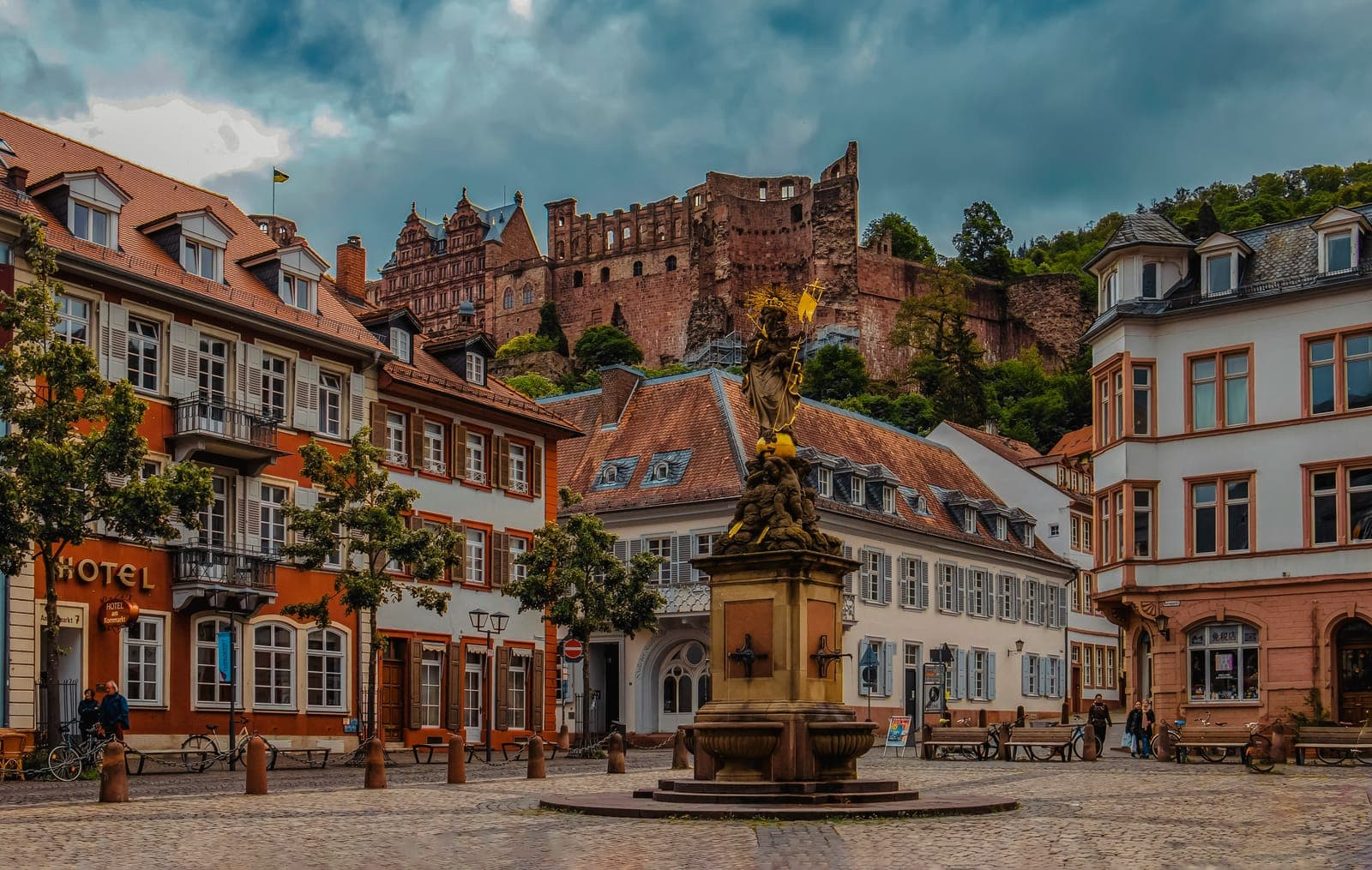
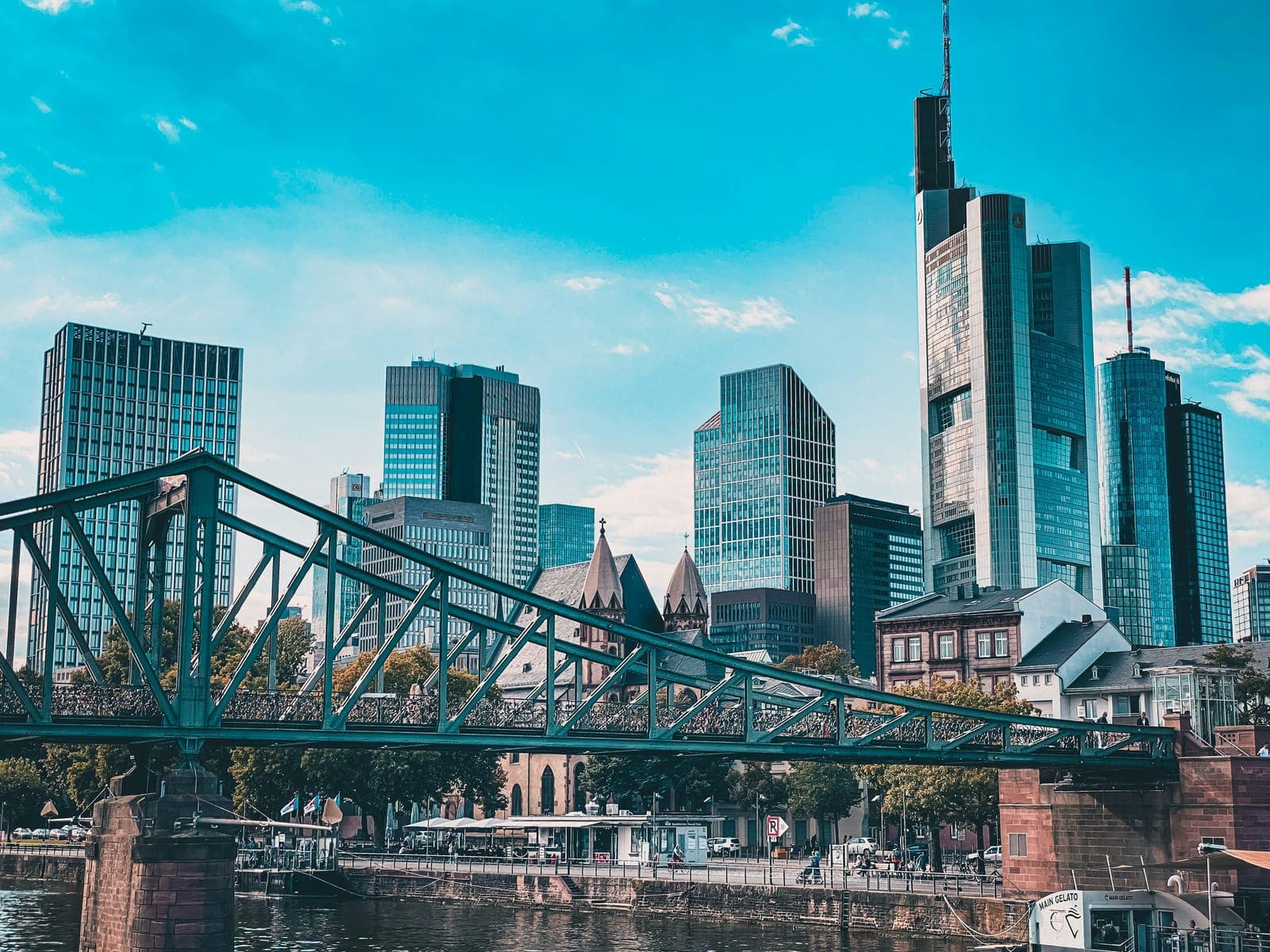
At IYN Education & Consultancy we evaluate university, college, pathway and foundation options across many countries based on each student's academic profile, target field, budget and career plan. The institutions below are examples that stand out for their English-language options, international student admissions, academic reputation and programme variety.
One of Germany's strongest technical universities — a leading destination in Engineering, Computer Science, Natural Sciences, Data Science and Technology for academically strong students.
An established research university with depth in Humanities, Social Sciences, Medicine, Natural Sciences and Law — a prestige option for students drawn to Munich.
Among Germany's oldest and most academically respected universities, with strength in Medicine, Life Sciences, Humanities, Psychology and Natural Sciences.
A European leader in Engineering and technology — a strong target for students focused on Mechanical Engineering, Electrical Engineering, Computer Science and Automotive.
Distinguished in Engineering, Computer Science, Physics, Energy, Technology and Applied Sciences — a strong fit for research-oriented technical study.
One of Germany's most recognised universities for Business, Economics, Social Sciences and Management — especially compelling for business- and economics-bound students.
A career-focused private institution in Finance, Business, Management and Banking — its English-taught programmes and industry links suit students aiming at business and finance.
Note: this is not a list of formally contracted institutions — it shows examples of universities and institutions worth evaluating. The final application list for any given student is built individually around academic performance, language level, budget, programme preference, career goal and admission requirements.
Average annual student spending in Germany typically falls in the €10,800–€14,400 range. DAAD notes that the figure varies with city and lifestyle and that rent is by far the largest component. For the visa financial requirement, the blocked-account standard is around €11,904 per year.
The most accessible housing in Germany is generally Studentenwerk halls, shared flats (WG / Wohngemeinschaft) or privately rented rooms. Munich, Berlin, Hamburg and Frankfurt are tougher and pricier markets, while smaller university towns are usually more manageable.
Yes. Students in Germany may work 140 full days or 280 half-days per year, with an alternative model of up to 20 hours per week. On-campus student or research assistant roles tend to be the most academically valuable.
An overseas application is a long, structured process. To stay ahead of the deadlines, the right time to start is 12 months out.
A free 15-minute conversation · The right exam, the right university and the right timeline — let's clarify it together.